

As AI-generated content continues to reshape how we consume media, protecting digital identity has become more critical than ever. Platforms are now stepping up with solutions like a likeness detection tool, designed to help individuals safeguard their image and reputation online. From creators to public figures, the need to manage AI-generated content responsibly is quickly becoming a shared priority—especially as more videos go viral on YouTube and reach massive audiences within hours.
The rise of synthetic media, including deepfakes, has made it easier to replicate someone’s face or voice without consent. To address this, platforms are expanding access to advanced detection systems—particularly for those involved in public discourse. Initially available to creators in the YouTube Partner Program, this innovation is now being tested among journalists, government officials, and political candidates, signaling a broader push for accountability in AI content.
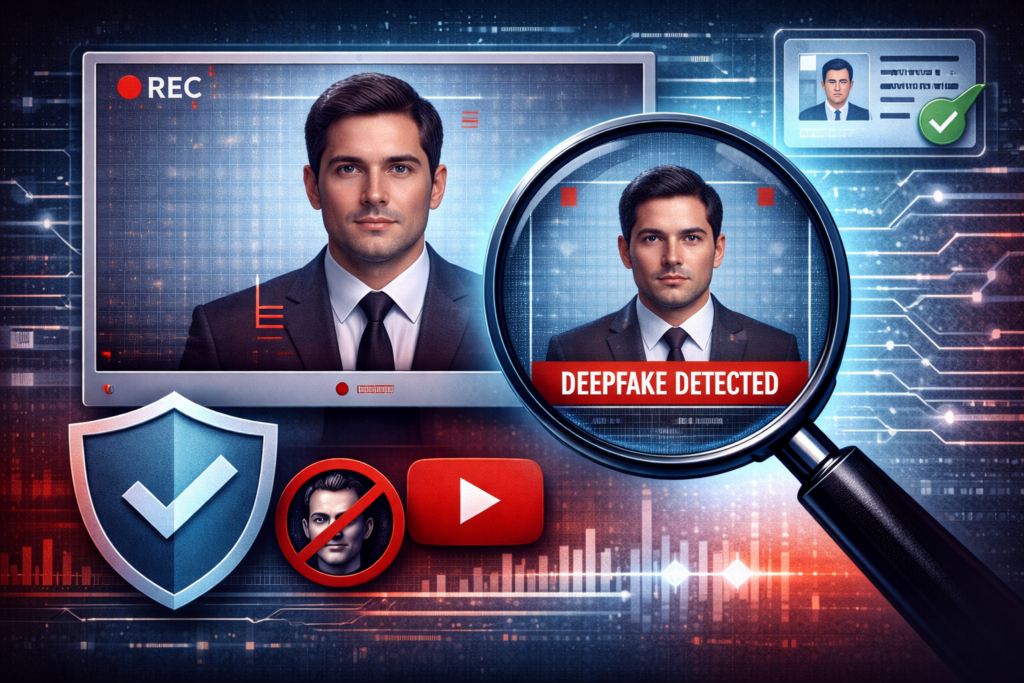
1. How a Likeness Detection Tool Protects Digital Identity
A likeness detection tool works by scanning AI-generated videos and images to identify whether a person’s likeness has been used. This tool empowers users to review flagged content and take action if necessary.
“This tool works similarly to Content ID, but for likeness. It looks for a participant’s likeness in AI-generated content, and if a match is found—like a deepfake of their face—the individual can review the content and request removal if it violates our privacy guidelines.” – YouTube Official Blog
While powerful, it’s important to understand that detection doesn’t automatically lead to removal. Platforms still balance privacy with freedom of expression, allowing exceptions for satire, parody, and content in the public interest. This ensures that innovation doesn’t come at the cost of creativity or open dialogue—especially when content has already gone viral on YouTube.
2. Why Expanding Access Matters
Extending the likeness detection tool beyond the YouTube Partner Program reflects the growing need to protect individuals who influence public opinion. Journalists and civic leaders are especially vulnerable to misinformation and impersonation, making this expansion a crucial step forward.
To maintain trust and prevent misuse, participants must verify their identity before using the tool. This process ensures that only legitimate individuals can flag content tied to their likeness. Importantly, this data is used solely for verification and not for training AI systems—helping maintain ethical standards in tech development.
3. The Future of Managing AI-Generated Content
As AI technology evolves, tools that help users manage AI-generated content will play a central role in shaping a safer digital environment. However, technology alone isn’t enough. There is also a growing need for legal frameworks that define ownership and rights over one’s likeness.
The introduction and expansion of the likeness detection tool highlight a shift toward proactive digital protection. It’s not just about reacting to misuse—it’s about building systems that prevent harm while supporting innovation.
Creating a safer online space requires collaboration between platforms, policymakers, and users. With the right tools and awareness, individuals can take control of how they are represented in the digital world—even when content spreads quickly and becomes viral on YouTube.
Ready to take control of your digital strategy?
TurboRank helps creators and brands optimize content, improve visibility, and stay ahead in an AI-driven landscape. Start leveraging smarter tools to grow and protect your online presence with TurboRank today.
Mary Ann Bautista is the co-founder of TurboRank, where she helps businesses accelerate growth on YouTube by applying her deep expertise in direct response marketing. Her unique approach blends proven performance strategies with platform-native YouTube tactics to drive discoverability and results. When she’s not fine-tuning campaigns, you’ll find her on a Pilates reformer—or exploring Pinot Noirs in Sonoma County.